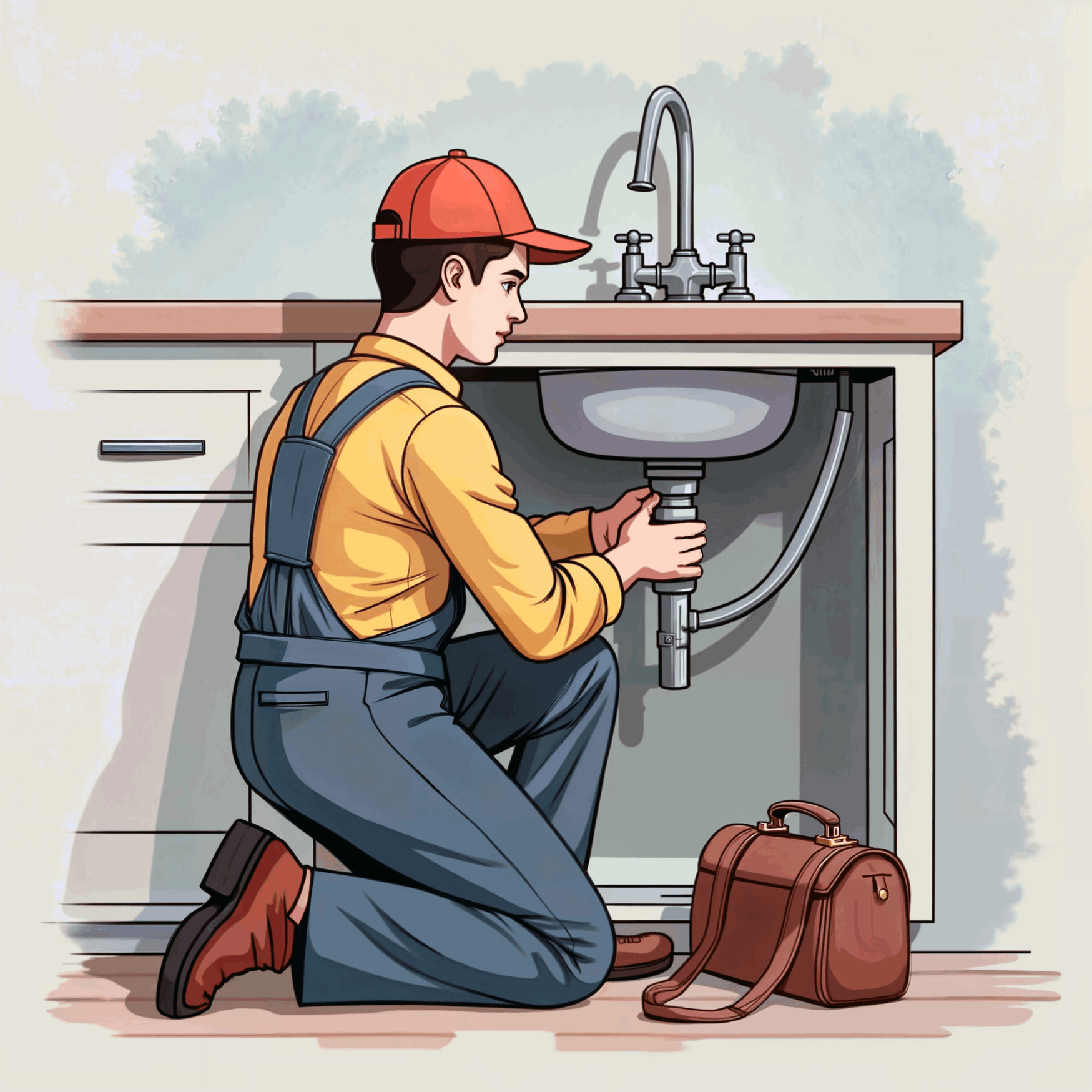
Plumbing Services London: Repairs, Maintenance and Plumbing Support Across the Capital
Reliable plumbing is essential to almost every residential and commercial property. Water supplies, toilets, showers, sinks and appliances are used continuously, meaning even a relatively small fault can quickly become disruptive. While some plumbing problems can be scheduled for a convenient appointment, leaks and other failures may require much faster attention to prevent damage to the property.
The range of plumbing services London homeowners, landlords and businesses may require extends from everyday repairs and maintenance to complete installations and emergency call-outs. London's varied property stock creates additional considerations, with plumbing systems found in everything from modern apartments and commercial developments to Victorian terraces, period conversions and older blocks of flats.
The type of service required will depend on the problem. A leaking tap may require a relatively straightforward component replacement, while persistent low water pressure, concealed leaks or alterations to a bathroom can involve considerably more investigation and work.
Understanding the different services available can make it easier to find a plumber with appropriate experience rather than simply choosing the first available company.
Common Plumbing Services for London Properties
Leak detection and repair account for a significant amount of plumbing work. Visible leaks around taps, toilets and pipe connections can sometimes be straightforward to identify, but water does not always appear directly beneath the source of the problem.
A concealed pipe can leak behind a wall or beneath a floor, with the first signs appearing as damp patches, staining, damaged decoration or unexplained moisture. Investigating the source promptly can help limit further damage.
Taps are another common source of problems. Depending on their design, dripping or poorly operating taps may require new washers, cartridges or other internal components. Where fittings are old or badly deteriorated, replacement may sometimes be more practical than repeated repair.
Toilet repairs can include faulty flushing mechanisms, continuously running cisterns, leaking connections and blockages. A toilet that continues running after flushing can waste considerable amounts of water, making apparently minor faults worth addressing.
Showers, baths and basins create their own plumbing requirements. Problems can develop with valves, waste connections, water pressure and supply pipework. Where bathrooms are being renovated, existing plumbing may also need to be repositioned to accommodate a new layout.
Kitchen plumbing commonly involves sinks, taps, washing machines and dishwashers. New appliances need suitable supply and drainage connections, while changes to a kitchen layout can require pipework to be moved before cabinets and worktops are installed.
The plumbing services London properties require can also vary according to the age and configuration of the building. Older homes may contain pipework and fittings installed or modified during several different periods, potentially making diagnosis and alteration more complicated.
Converted properties can present further challenges. A building originally constructed as one house may subsequently have been divided into several flats, resulting in plumbing arrangements that differ considerably from the original design.
For this reason, experience with different property types can be useful when selecting a plumbing professional.
Planned Plumbing Work and Maintenance
Not every plumbing job begins with a fault. Planned improvements and renovations account for a substantial proportion of plumbing work.
Bathroom refurbishment is a good example. Moving a toilet, shower, basin or bath can require alterations to both water supply and waste pipework. These changes should ideally be planned before flooring, tiling and other finished surfaces are installed.
The position of waste pipes can be particularly important because drainage relies on suitable connections and gradients. Designing a bathroom purely around appearance without considering the existing plumbing can potentially make installation more complicated.
Kitchen renovations require similar planning. Moving a sink or changing the position of appliances can affect water and drainage connections, so plumbing work often needs to be coordinated with other trades.
Routine maintenance can also help identify developing problems. Small leaks, deteriorating seals, corroded fittings and valves that no longer operate correctly may not initially seem urgent but can become more troublesome if left unresolved.
Landlords and property managers may find preventative maintenance particularly useful. Plumbing problems in rental properties can inconvenience tenants and potentially damage neighbouring accommodation, especially in blocks of flats.
Commercial properties have additional considerations. Restaurants, offices, shops and other premises can depend heavily on functioning water supplies and sanitation facilities. Even relatively straightforward plumbing faults can therefore interfere with normal operations.
Maintaining records of significant plumbing work can be helpful for both residential and commercial properties. Knowing when components were replaced or pipework altered can make future investigation and maintenance easier.
It is also important to understand where plumbing responsibilities overlap with other specialist trades. General plumbing work does not automatically include regulated gas work. If work involves gas appliances or gas pipework, the relevant work must be undertaken by an appropriately registered Gas Safe engineer.
Similarly, problems involving electrical components may require a suitably qualified electrician rather than a plumber alone.
Emergency Plumbing and Choosing a Service
Some plumbing faults need much faster attention than routine repairs. A substantial uncontrolled leak is the clearest example because escaping water can quickly damage flooring, walls, ceilings, furniture and electrical installations.
Property occupants can reduce the potential damage by knowing where the main internal stop tap is located. If a pipe bursts, shutting off the incoming water supply can significantly reduce the amount of water escaping while a plumber is being arranged.
Individual fixtures and appliances may also have isolation valves. These can sometimes allow the affected section to be shut off without interrupting the water supply throughout the property.
This is particularly useful where a toilet, washing machine or individual fitting has developed a leak.
Extra care should be taken where water is reaching electrical sockets, wiring or equipment. Wet electrical installations can present a serious hazard, and potentially affected electrical equipment should not be touched.
When arranging emergency assistance, providing accurate information can help the plumber understand the situation. Explain where the leak appears to originate, whether the water supply has been isolated and whether water is affecting other rooms or neighbouring properties.
In flats, this last point can be particularly important because water may quickly pass through floors and ceilings into another property.
For non-emergency work, customers have more opportunity to compare plumbing services. Location, experience, customer feedback, availability and pricing can all be considered before making a decision.
It is worth checking how charges are calculated. Some plumbing companies use hourly rates, while others offer fixed prices for certain jobs. Call-out fees may apply, particularly for emergency or out-of-hours attendance.
For larger projects, obtaining a written quotation can provide clarity about the proposed work, materials and likely overall cost.
Reviews can also provide useful information, although they are most helpful when considered collectively. Patterns relating to communication, punctuality and workmanship generally provide more context than any single review.
London's size makes actual service coverage another important consideration. A company describing itself as London-wide may have very different response times depending on the property location and the availability of individual plumbers.
For urgent work, asking for an estimated attendance time can therefore be more useful than simply confirming that emergency services are available.
For planned projects, experience with the particular type of work may be more important than immediate proximity. Bathroom installations, complex pipework alterations and commercial plumbing can require different expertise from routine domestic repairs.
Ultimately, plumbing requirements vary significantly according to the property, the age of its system and the nature of the problem. Some jobs require little more than a straightforward repair, while others involve diagnosis, alterations and coordination with wider renovation work.
Choosing appropriate plumbing services London property owners can depend upon means considering the specific work required alongside experience, availability, geographical coverage and transparent pricing. Taking these factors into account can help ensure both routine plumbing work and unexpected problems are handled appropriately.