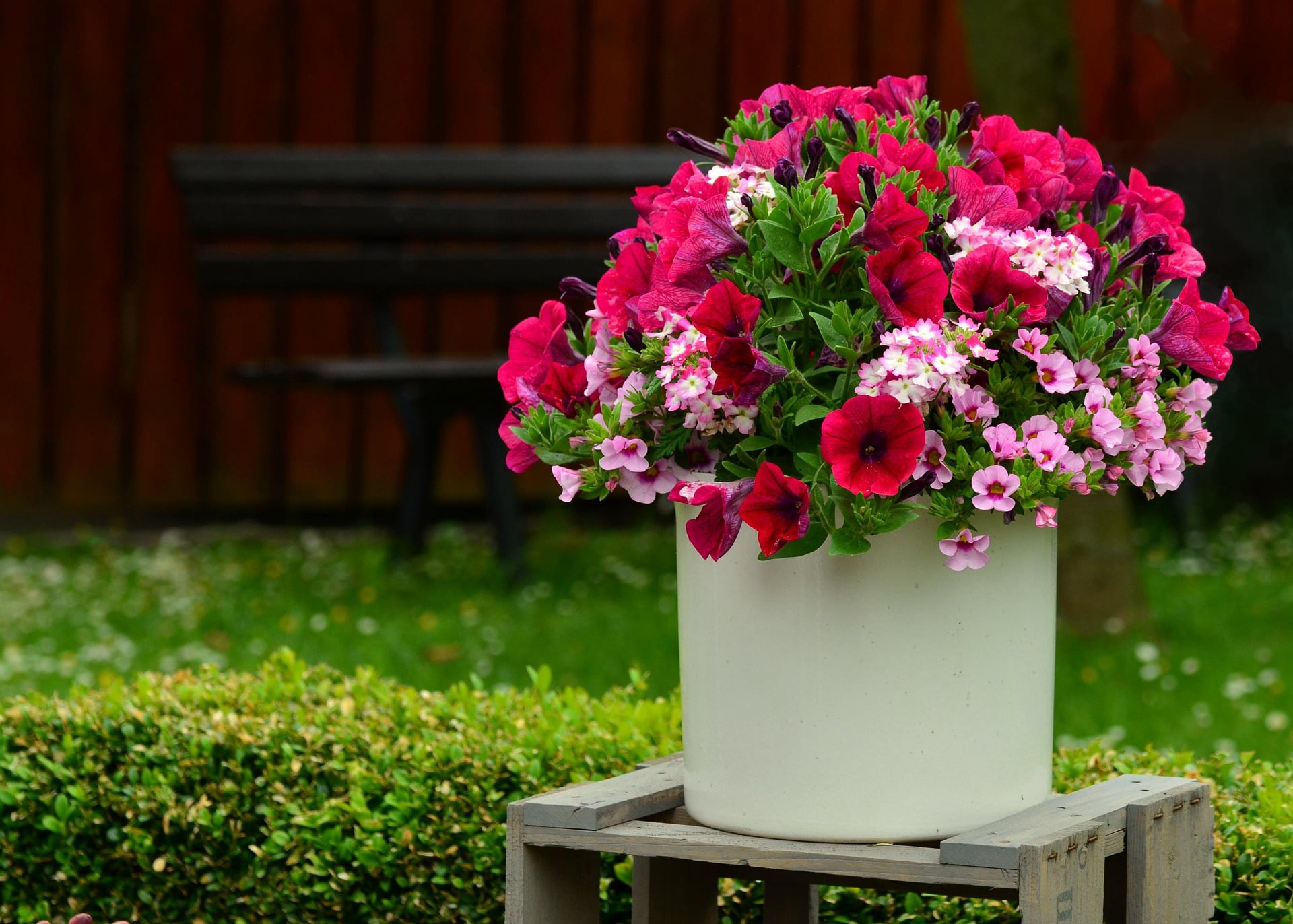
Garden Planters Shop: Finding Quality Outdoor Planters for Every Garden
Choosing the right planting containers can transform the appearance of a garden, patio or outdoor living space. From contemporary architectural designs to traditional decorative pots, garden planters provide an attractive way to introduce greenery, colour and structure. They can complement existing landscaping, highlight important features and create inviting areas for relaxation or entertaining. With a wide range of products available, finding a suitable supplier is an important part of planning a successful outdoor planting project.
ㅤ
A specialist garden planters shop can provide access to containers designed for different properties, planting requirements and decorative preferences. Whether customers are searching for large statement planters, contemporary metal containers or smaller pots for seasonal flowers, choosing a retailer with clear product information can make the purchasing process easier. Materials, dimensions, drainage and weather resistance should all be considered alongside appearance. Understanding these details helps buyers select planters that offer both visual appeal and practical value.
ㅤ
Shopping for garden planters has changed considerably as more retailers offer their products online. Customers can now compare different designs, examine technical specifications and explore a wider range of materials without visiting multiple garden centres. This can be particularly useful when searching for unusual sizes or coordinated collections. However, the convenience of online shopping makes accurate product descriptions and reliable supplier information especially important.
ㅤ
A good planter supplier should offer more than attractive product photographs. Customers need to understand how containers are constructed, whether they are suitable for permanent outdoor use and what installation requirements may apply. Clear measurements are essential because the proportions of a planter can be difficult to judge from photographs alone. Information about delivery, maintenance and drainage also helps buyers make confident purchasing decisions.
ㅤ
When browsing a garden planters shop, customers should begin by considering the intended location of their containers. A planter positioned beside a sheltered entrance may have different requirements from one installed on an exposed terrace. Similarly, containers intended for balconies or rooftop gardens require careful consideration of their filled weight. Establishing the practical requirements before choosing a design helps avoid purchasing products that are unsuitable for the space.
ㅤ
The appearance of a planter can influence the overall character of an outdoor environment. Modern gardens often feature geometric containers with smooth surfaces and neutral colours, while traditional landscapes may incorporate terracotta, ceramic or textured stone-effect designs. The most appropriate choice depends on the surrounding architecture, paving and planting scheme. Selecting complementary products helps create a garden that feels coordinated rather than assembled from unrelated decorative elements.
ㅤ
Material selection is one of the most important considerations when purchasing outdoor planters. Aluminium, steel, fibreglass, concrete, ceramic and timber all offer different combinations of weight, durability and visual appeal. Some materials are particularly suitable for large architectural containers, while others work well for smaller decorative planting arrangements. Understanding these characteristics allows customers to compare products according to their intended use.
ㅤ
Aluminium planters are frequently associated with contemporary garden design because they provide a clean architectural appearance. Their relatively lightweight construction can make handling easier than with some heavier materials of comparable size. Powder-coated finishes allow a wide choice of colours and can provide additional surface protection when properly applied. Buyers should examine the quality of manufacture and confirm that the finish is intended for exterior use.
ㅤ
Steel planters offer another option for modern landscaping, particularly where a substantial appearance is desired. Painted steel, stainless steel and weathering steel provide different visual characteristics and performance properties. Weathering steel is recognised for the patina that develops through exposure to the elements, creating an appearance that complements natural stone and ornamental grasses. However, runoff during the weathering process may stain surrounding surfaces, making careful positioning important.
ㅤ
Fibreglass products are often available through a specialist garden planters shop because the material allows manufacturers to produce a variety of shapes and sizes. Large fibreglass containers can offer an architectural appearance without the weight associated with some traditional alternatives. They may also feature smooth, textured or stone-effect finishes. Customers should confirm that the particular product is manufactured for long-term outdoor exposure and appropriate environmental conditions.
ㅤ
Concrete planters are popular in contemporary landscaping because of their substantial construction and distinctive appearance. They can complement modern architecture, paved courtyards and commercial outdoor environments. Smooth finishes are suited to minimalist designs, while textured surfaces may introduce a more natural character. Their weight should be considered carefully, particularly where delivery access or future repositioning may be difficult.
ㅤ
Traditional terracotta containers remain an attractive option for gardens with a more established or rustic character. Their warm natural colour complements flowering plants, herbs and Mediterranean-inspired arrangements. Because terracotta is porous, it can influence moisture movement and watering requirements. Not every terracotta product is frost resistant, so suitability for year-round outdoor use should be checked before purchase.
ㅤ
Ceramic planters offer decorative possibilities through glazed finishes, patterns and colours. They may be used as individual statement pieces or combined with other containers to create coordinated planting arrangements. Glazed surfaces can introduce visual interest to patios and courtyards where surrounding materials are relatively neutral. However, ceramic products vary in their ability to withstand freezing temperatures and prolonged outdoor exposure.
ㅤ
Timber planters provide a natural appearance that can complement decking, fencing and traditional garden features. Raised wooden containers are often used for flowers, herbs and edible plants. Their durability depends on the timber species, construction and exposure to moisture. Appropriate drainage and maintenance can help preserve their appearance and extend their useful life.
ㅤ
A specialist garden planters shop may also offer lightweight plastic or recycled-material containers. These can be useful for seasonal planting, smaller gardens and situations where pots need to be moved regularly. Product quality varies, particularly in relation to resistance to sunlight and temperature changes. Buyers should consider the expected lifespan and suitability of the material rather than focusing exclusively on price.
ㅤ
Size is another essential consideration when choosing garden planters. Small containers may be suitable for herbs and seasonal flowers, while larger shrubs and ornamental trees generally require greater root capacity. A planter that is too small can restrict plant development and increase the frequency of watering. Selecting appropriate dimensions helps provide suitable growing conditions and reduces the need for premature replacement.
ㅤ
Large statement planters can create impressive focal points in gardens, patios and commercial spaces. A substantial container positioned beside an entrance or at the end of a pathway can introduce height and architectural interest. When planted with a suitable shrub or ornamental tree, it can become an important part of the landscape design. However, adequate drainage, stability and growing space must be considered before installation.
ㅤ
Tall planters are particularly effective for introducing vertical interest into outdoor areas. Matching containers placed on either side of a doorway can create symmetry and a welcoming appearance. They may also be used to highlight pathways or complement contemporary garden furniture. The proportions of the container should suit both the surrounding architecture and the intended planting.
ㅤ
Rectangular trough planters are useful for defining outdoor spaces without installing permanent structures. They can be positioned along terrace boundaries, beside seating areas or against walls to introduce greenery. When planted with suitable shrubs or ornamental grasses, they may also provide a degree of privacy. Their linear design makes them particularly appropriate for modern landscaping schemes.
ㅤ
Round and square containers offer different decorative possibilities. Round planters create softer shapes that work well with informal planting arrangements, while square containers provide a more structured appearance. Combining different sizes within a consistent material or colour can create an attractive display. Buyers should consider how the shapes will complement nearby paving, walls and furniture.
ㅤ
When selecting products from a garden planters shop, colour and finish can be just as important as shape. Black, charcoal, grey and white are commonly associated with contemporary outdoor design because they complement a wide range of materials. Natural terracotta and earthy tones can suit more traditional landscapes. Choosing a consistent palette helps create a coordinated appearance across several containers.
ㅤ
Dark planters can provide a striking contrast against green foliage and brightly coloured flowers. They are particularly effective in minimalist gardens where a limited number of colours are used throughout the landscape. Light-coloured containers can create a softer appearance and complement pale paving or rendered walls. The most appropriate choice depends on the surrounding environment and the desired visual effect.
ㅤ
Surface finishes also influence the character of decorative containers. Smooth matte coatings tend to emphasise clean architectural lines, while textured surfaces introduce depth and interest. Metallic finishes can complement contemporary buildings featuring steel or aluminium detailing. Buyers should consider how the finish will weather and what maintenance may be required to preserve its appearance.
ㅤ
Plant selection should influence the choice of planter from the beginning. Different species require different amounts of root space, sunlight, moisture and nutrients. A container that looks attractive may not provide suitable growing conditions for every plant. Matching the planter to the mature size and environmental requirements of the chosen species helps support healthy growth.
ㅤ
Evergreen shrubs are popular choices for decorative outdoor containers because they provide structure throughout the year. Suitable varieties can maintain attractive foliage during winter, making them useful around entrances and patios. They may be used to create formal arrangements or combined with other plants for a more natural appearance. The selected species should be appropriate for container growing and the local climate.
ㅤ
Ornamental grasses offer another attractive planting option, particularly for contemporary gardens. Their slender foliage and natural movement contrast effectively with geometric planters. Different varieties provide a range of heights, colours and seasonal characteristics. Some retain their structure during winter, while others require cutting back as part of routine maintenance.
ㅤ
Flowering plants introduce seasonal colour and allow gardeners to refresh planting arrangements throughout the year. Spring bulbs, summer flowers and autumn displays can be selected to create changing interest. Containers make it possible to update these arrangements without major changes to the surrounding landscape. However, seasonal planting often requires more frequent watering, feeding and replacement than established shrubs.
ㅤ
Customers visiting a garden planters shop may also be looking for containers suitable for herbs and edible plants. Raised planters and smaller pots can provide practical growing spaces near kitchens or outdoor dining areas. Different herbs have varying requirements for drainage, sunlight and growing media. Containers should be suitable for their intended use, particularly where materials or surface treatments could come into contact with growing media.
ㅤ
Small ornamental trees can create striking displays when planted in sufficiently large containers. They introduce height, seasonal interest and architectural character into paved courtyards and terraces. However, trees require adequate root space and suitable growing conditions to remain healthy. Their eventual size and long-term maintenance requirements should be considered before choosing a planter.
ㅤ
Drainage is one of the most important practical features of any outdoor planter. Excess water can accumulate around roots if there is no suitable means of escape, potentially causing waterlogging and poor plant health. Most conventional outdoor planting arrangements require appropriate drainage openings. The correct system depends on the container design, growing medium and intended location.
ㅤ
The growing medium used within a planter also influences plant development. Ordinary garden soil may not always provide suitable drainage and aeration when used in containers. Purpose-made growing media can offer a more appropriate balance of moisture retention, nutrients and air spaces. The correct choice depends on the plant species and the conditions in which the container will be positioned.
ㅤ
Watering requirements vary according to container size, plant type and environmental conditions. Smaller planters may dry out more quickly than larger containers, particularly during warm or windy weather. Pots positioned beneath roof overhangs may receive little natural rainfall even when the surrounding garden is wet. Regular monitoring helps ensure that plants receive adequate moisture without becoming waterlogged.
ㅤ
For larger installations, irrigation systems can simplify ongoing maintenance. Drip irrigation can deliver water to multiple containers and reduce the need for frequent manual watering. Automated systems may be particularly useful for commercial properties or extensive terraces containing numerous planters. However, irrigation should be designed and maintained carefully to avoid leaks, overwatering and unnecessary water consumption.
ㅤ
A reliable garden planters shop should provide sufficient product information to help customers assess weather resistance. The British climate exposes outdoor containers to rainfall, frost, wind and changing temperatures. Different materials respond differently to these conditions, depending on their construction and protective finishes. Buyers should confirm that products intended for permanent outdoor use are suitable for the expected environment.
ㅤ
Frost resistance is particularly important for ceramic, terracotta and certain concrete containers. Water retained within materials or construction details can expand when frozen, potentially contributing to cracks or other damage. Not every decorative pot is suitable for prolonged freezing conditions. Reviewing manufacturer guidance can help buyers identify appropriate products for year-round installation.
ㅤ
Wind exposure should also be considered when positioning substantial planters. Tall containers and plants with dense foliage may be affected by strong winds, particularly on exposed patios or rooftop terraces. Stability depends on the dimensions, weight, construction and contents of the planter. Appropriate positioning or securing arrangements may be necessary in demanding locations.
ㅤ
The combined weight of a filled planter is another important consideration. A container that is relatively lightweight when empty can become substantially heavier once filled with growing media, plants and water. This is particularly relevant for balconies, rooftop gardens and other elevated structures. Where structural capacity is uncertain, professional advice should be obtained before installing large or heavy containers.
ㅤ
Residential gardens provide numerous opportunities to use decorative planters creatively. A patio can be softened with ornamental grasses and flowering plants, while an entrance may benefit from matching evergreen shrubs. Larger containers can create focal points beside outdoor seating areas or along pathways. Their versatility allows homeowners to introduce greenery without undertaking extensive landscaping work.
ㅤ
Small courtyards and urban gardens can benefit particularly from carefully arranged containers. Tall planters can introduce height, while narrow troughs provide planting along boundaries. Groups of different-sized pots can create depth and visual interest without occupying excessive space. The arrangement should preserve sufficient room for seating, movement and everyday activities.
ㅤ
Larger gardens offer opportunities to use planters as part of a broader landscape design. Containers can frame pathways, highlight architectural features or introduce greenery around outdoor entertaining areas. Matching designs can establish visual consistency across different sections of the garden. Combining decorative containers with permanent planting beds creates a balanced and attractive environment.
ㅤ
Commercial customers may use a garden planters shop to source containers for offices, hotels, restaurants and retail developments. Large architectural planters can introduce greenery around entrances, courtyards and outdoor seating areas. Coordinated designs help create a professional appearance that complements surrounding buildings. Durability, stability and ease of maintenance are particularly important where containers will be exposed to frequent public use.
ㅤ
Restaurants and hospitality venues can use planters to define outdoor dining spaces and improve the atmosphere of terraces. Tall shrubs may provide a degree of privacy, while flowering plants introduce seasonal colour. Containers can also help separate seating areas from pedestrian routes without requiring permanent partitions. However, they should be positioned to preserve accessibility, emergency routes and safe circulation.
ㅤ
Office buildings and commercial developments may favour contemporary geometric containers that complement modern architecture. Matching planters containing evergreen shrubs can create a consistent appearance around entrances and pathways. Repetition of similar shapes and finishes helps establish visual order across larger spaces. The planting should be selected to remain attractive without creating excessive maintenance demands.
ㅤ
Bespoke planters may be appropriate when standard products do not meet the requirements of a particular location. Custom dimensions can help create a precise fit along boundaries, around architectural features or within restricted spaces. Specialist manufacturers may also offer alternative colours and finishes to complement wider landscaping schemes. However, bespoke products can involve longer lead times and additional manufacturing costs.
ㅤ
When purchasing from an online garden planters shop, customers should examine product dimensions carefully. Photographs can provide inspiration, but they may not accurately communicate the size of a container. Height, width, diameter and internal planting depth should all be considered where relevant. Measuring the intended location before ordering helps ensure that the chosen planter will fit comfortably within the available space.
ㅤ
Delivery arrangements are particularly important when purchasing large or heavy containers. Some planters can be transported through standard parcel services, while substantial concrete or architectural products may require specialist delivery. Customers should establish whether unloading assistance is included and whether access restrictions could create difficulties. Understanding these details before ordering helps avoid unexpected complications.
ㅤ
The cost of garden planters varies according to material, dimensions, finish and manufacturing quality. Basic containers may be suitable for straightforward planting requirements, while premium architectural products can represent a more substantial investment. Buyers should consider durability and expected lifespan alongside the initial purchase price. A well-made planter may provide better long-term value when it is appropriate for the intended application.
ㅤ
A complete planting budget should include more than the purchase price of the containers. Growing media, plants, drainage materials and any necessary installation work can contribute to the total expenditure. Larger containers may require significant quantities of compost or specialist planting mixes. Irrigation systems and ongoing maintenance can create additional costs for extensive installations.
ㅤ
Customers should also review warranty information and returns policies before placing an order. These arrangements may vary according to the supplier, product material and whether the container is manufactured to individual specifications. Bespoke products can be subject to different conditions from standard stock items. Clear information helps buyers understand their options and purchase with greater confidence.
ㅤ
Customer reviews and completed project photographs can provide useful information when evaluating a planter supplier. Images showing containers installed in real gardens or commercial environments may offer a better indication of scale and appearance than isolated catalogue photographs. Reviews can also provide insights into delivery, packaging and customer service. However, purchasing decisions should remain grounded in product specifications and suitability.
ㅤ
Sustainability is becoming an increasingly important consideration in garden and landscape design. Some planters are manufactured from recyclable materials, while others are designed for an extended service life. Durable construction can reduce the frequency of replacement and potentially limit material consumption over time. Environmental claims should be supported by reliable product information rather than assumed from appearance alone.
ㅤ
Regular maintenance helps preserve both the appearance of planters and the health of their contents. Plants may require pruning, watering, feeding and occasional replacement as they grow. Containers should also be checked for drainage problems, surface damage or signs of instability. A consistent maintenance routine can help protect the investment and maintain an attractive outdoor environment.
ㅤ
Before selecting a garden planters shop, buyers should consider the range of products available, the clarity of specifications and the reliability of delivery arrangements. A supplier offering suitable materials, sizes and finishes can make it easier to create coordinated planting displays. Clear information about weather resistance, drainage and maintenance also helps customers select appropriate products. Taking time to compare these factors can lead to a more satisfactory purchasing experience.
ㅤ
Ultimately, a specialist garden planters shop can provide the products and information needed to create attractive, practical outdoor planting arrangements. From contemporary architectural containers to traditional decorative pots, the right planters can enhance gardens, patios, courtyards and commercial landscapes. By considering materials, dimensions, planting requirements and long-term durability, customers can select containers that complement their surroundings and provide lasting value. Careful planning ensures that garden planters remain an attractive and functional feature throughout the changing seasons.