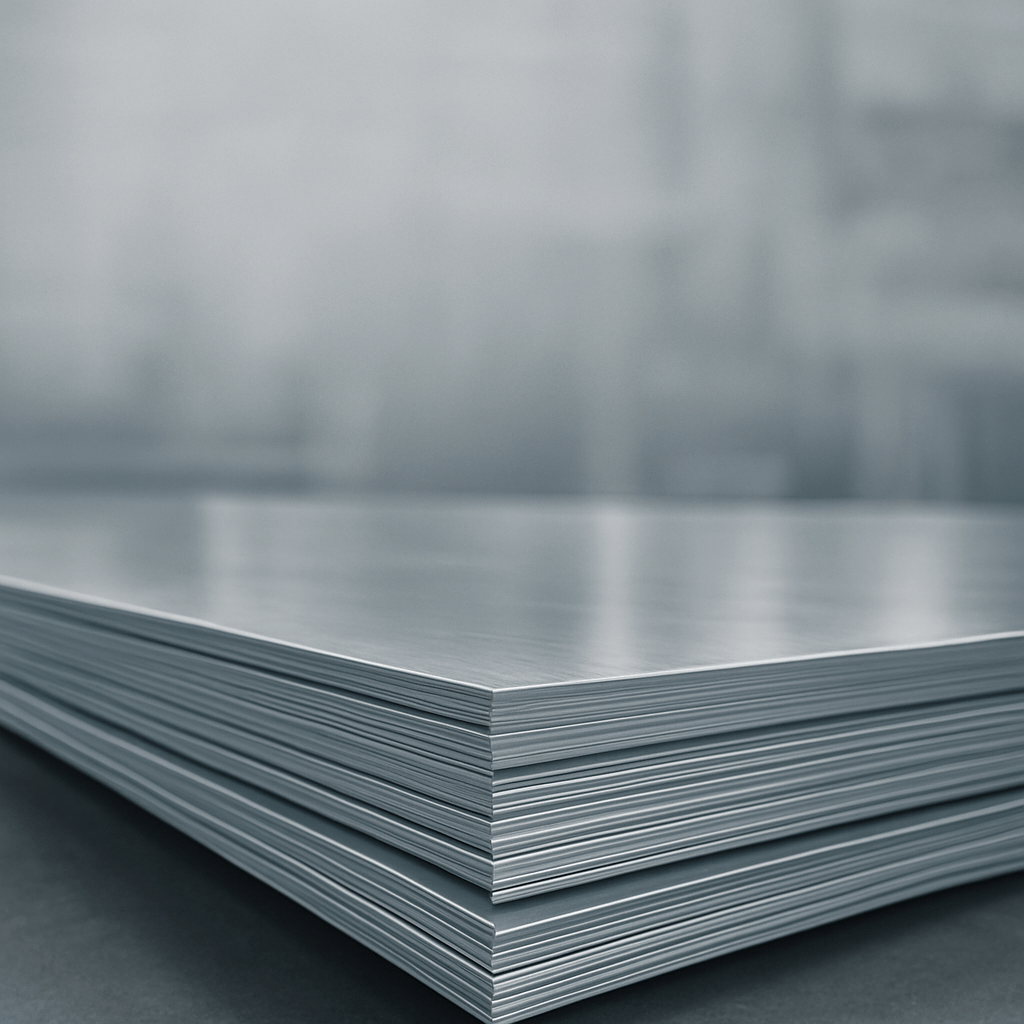
Stainless Steel Profiles and Trims: The Finishing Touch for Professional Cladding Installations
When it comes to achieving a clean, durable, and professional finish on wall cladding or panel installations, stainless steel profiles and trims play an essential role. These sleek finishing components not only enhance the appearance of a project but also provide critical protection against moisture, impact, and wear — making them a popular choice in both commercial and industrial environments.
What Are Stainless Steel Profiles and Trims?
Stainless steel trims and profiles are precision-formed metal sections designed to cover edges, corners, joints, and transitions between surfaces. They come in a range of shapes and configurations — such as angle trims, U-channels, edge profiles, internal/external corners, and joint covers — each serving a specific function to protect and finish off cladding installations.
Manufactured from high-grade stainless steel (commonly 304 or 430 grade), these trims are corrosion-resistant, easy to clean, and ideal for high-hygiene areas like commercial kitchens, hospitals, laboratories, and food processing plants.
Benefits of Using Stainless Steel Profiles and Trims
1. Durability and Longevity
Stainless steel is renowned for its strength and resistance to corrosion. Once installed, trims and profiles maintain their shape and finish even in humid, high-traffic, or chemically exposed environments.
2. Hygienic and Easy to Maintain
Unlike porous materials, stainless steel offers a smooth, non-absorbent surface that doesn’t harbour bacteria. This makes it perfect for areas where cleanliness and compliance with hygiene standards are essential.
3. Professional, Polished Finish
Trims and profiles provide neat, uniform edges that elevate the overall appearance of a cladding installation. Whether used with PVC, aluminium, or stainless steel sheets, they create a clean transition between panels and surfaces.
4. Protection for Edges and Joints
Edges and corners are often the most vulnerable parts of a wall or cladding system. Stainless steel trims act as a protective barrier, preventing damage from knocks, impacts, or moisture ingress.
5. Versatile Design Options
Available in brushed, polished, and mirror finishes, stainless steel trims can complement a wide variety of cladding materials and architectural styles. They can also be fabricated in different dimensions and profiles to suit custom requirements.
Common Types of Stainless Steel Profiles and Trims
U-Channel Trim: Used for finishing the top or bottom edges of panels or sheets.
Angle Trim (L-Profile): Ideal for external corners or exposed edges.
Internal Corner Trim: Creates smooth, sealed joins between two internal walls.
H-Joint Trim: Connects two panels together seamlessly.
Capping Trim: Provides a neat finish to exposed panel edges.
Each type of trim can be selected based on the project’s functional and aesthetic requirements, ensuring a long-lasting and professional result.
Applications Across Industries
Stainless steel profiles and trims are widely used across many industries, including:
Commercial kitchens – to maintain hygienic wall-to-wall transitions
Healthcare facilities – for sanitary, easy-to-clean environments
Food and beverage processing plants – ensuring compliance with hygiene regulations
Public washrooms and changing areas – for a durable, moisture-resistant finish
Architectural interiors – adding a touch of refinement and industrial style
Choosing the Right Stainless Steel Trim for Your Project
When selecting trims, it’s important to consider:
Grade: 304 for general use or 430 for cost-effective indoor applications.
Finish: Brushed for subtle elegance, polished for a reflective effect.
Dimensions: Match the trim profile to the thickness and layout of your wall cladding.
Environment: For harsh or corrosive settings, always opt for 304 or higher-grade steel.